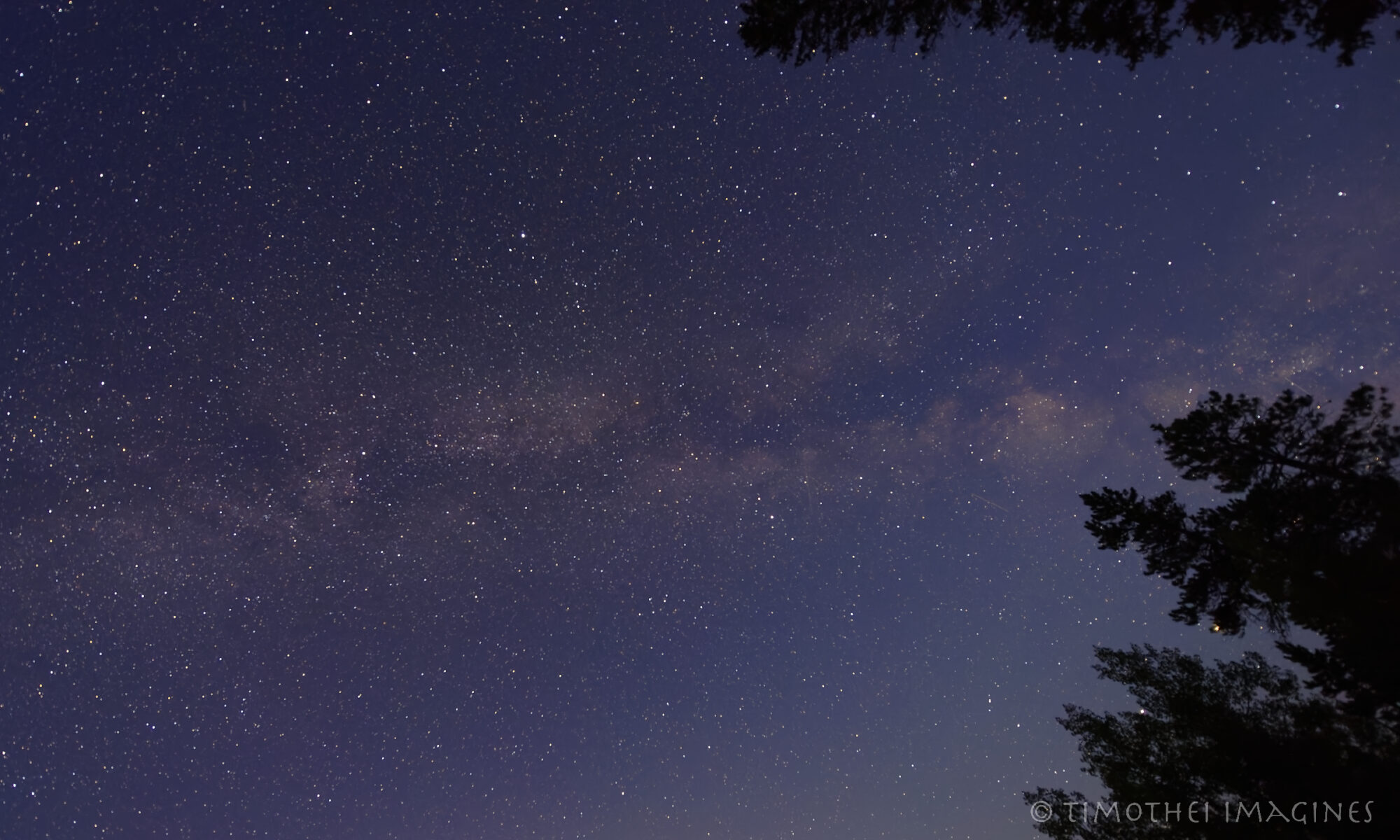
The world of macro has enabled me to change my perspective on things, specifically, the world of bugs. They have never been a pleasant curiosity for me. Too many Saturday mornings cleaning bugs of the front of my father’s car with hot, soapy water.
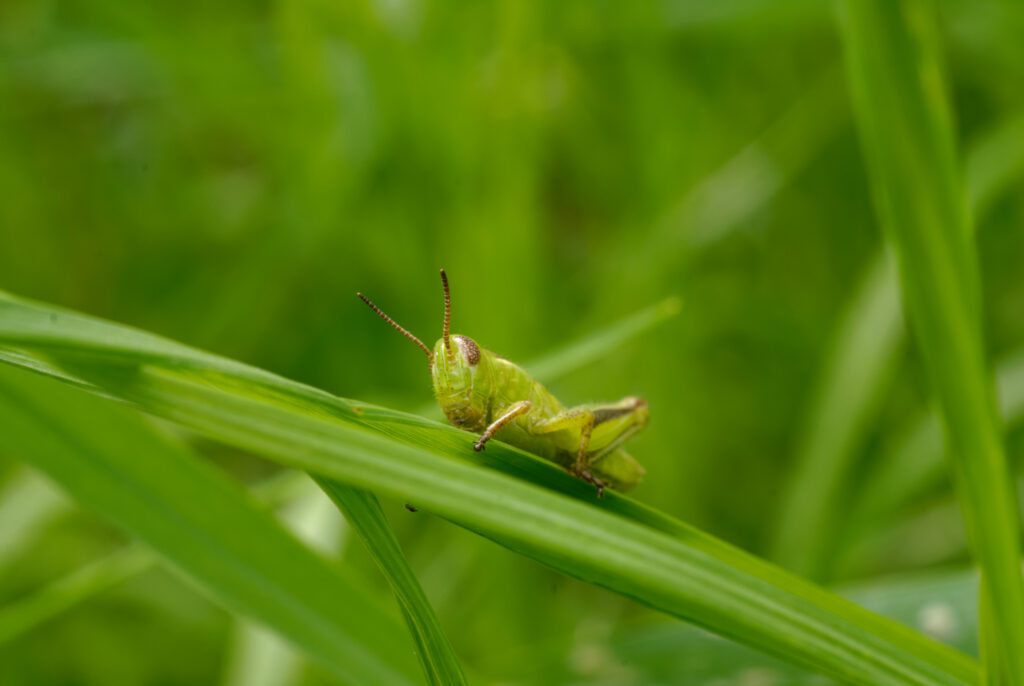
While visiting a friends abandoned homestead farm I was chasing some small butterflies through the yard with my macro lens, when I noticed this little guy out of the corner of my eye. I like to think that he came to see what I was and what I was doing. I was able to set the exposure, prefocus my lens then bend over and slowly lean into this guy until he came into focus. Do I imagine his smile?
First, a word on names. Strictly speaking, macro means the subject is reproduced at life size (1:1) or larger on the camera’s sensor. Most of what I shoot falls a little short of that, so close-up is the more honest term. Either way, the goal is the same: filling the frame with something small.
Why Nikon calls it “Micro”
The story starts before Nikon was Nikon. Nippon Kogaku K.K. (日本光学, “Japan Optical Industries”) was formed on July 25, 1917, by merging three small optical firms, one of them dating back to 1881. Its early work was scientific and precision optics: microscopes, telescopes and surveying instruments, and during the war, binoculars, aerial lenses, bomb sights and periscopes. The lens name “Nikkor” grew out of “Nikko”, the name on its early microscopes, and Nippon Kogaku even made all of Canon’s lenses until mid-1947.
After the war the company was cut back to a single factory and about 1,400 employees making civilian products. In September 1946 it named its new compact camera Nikon: “Nikko” (日光), the abbreviation of Nippon Kogaku, with an “n” added for a stronger impression. The first Nikon camera, the Nikon I, was produced from 1948 to 1949, and the company itself adopted Nikon as its corporate name in April 1988.
The Micro-NIKKOR was built for a very specific job. After the Second World War, Japan turned to microfilm to archive its bulk documents, but Western microfilm systems couldn’t capture Japanese text legibly: kanji carry far more fine strokes than the Latin alphabet, and the existing lenses didn’t have the resolution. At the request of Professor Koana of Tokyo University, Nippon Kogaku developed a high-resolution copying lens. Its prototype was called the “R” (for reproduction) Nikkor, but the name was changed to avoid confusion with lenses for X-ray (Röntgen) photography, and it was released in 1956 as the Micro-NIKKOR 5cm f/3.5. Nikon’s engineers also held to the strict definition of macro, life size or larger, and chose the more precise “micro” even though “macro” would have been easier to market. My own 55mm f/2.8 AI-s is a direct descendant of that lens. Nikon lens designer Haruo Sato tells the story in NIKKOR – The Thousand and One Nights, No. 95 and No. 25.
The lens’s reputation brought a flood of inquiries from printing companies and electronics manufacturers, and that work led to the Ultra Micro-NIKKOR. The first prototype was completed in 1962, and in 1964 the Ultra Micro-NIKKOR 29.5mm f/1.2 was announced, eventually reaching 1,260 lines per millimetre, the highest resolution of any lens in the world at the time. Those lenses were used to make the photomasks for early integrated circuits, and that technology became the core of Nikon’s semiconductor lithography systems, some of the most precise machinery ever built.
So the chain runs: Nippon Kogaku (the company) → Nikon (the brand, later the company name) → Micro-NIKKOR (a lens built to make Japanese text legible on microfilm) → semiconductor lithography (the lasting legacy of that micro-lens technology). Not bad for a lens I use to photograph grasshoppers.
The workhorse: a dedicated macro lens
Most of my close-up work has been done with a Nikon D200 and a Nikon Micro-NIKKOR 55mm f/2.8 AI-s. It’s a fully manual lens, with no autofocus and no electronics, and it focuses close enough to reach half life-size (1:2) on its own. On the D200’s smaller DX sensor, it frames like an 82mm lens.
There’s no special trick to it. I set the exposure and turn the focus ring to the magnification I want. Then, instead of focusing with the ring, I move the camera itself, slowly leaning in or out until the subject comes into focus. It’s exactly how I caught the grasshopper above.
The rest of the photos in this section were taken that same June 2013 day at the homestead.
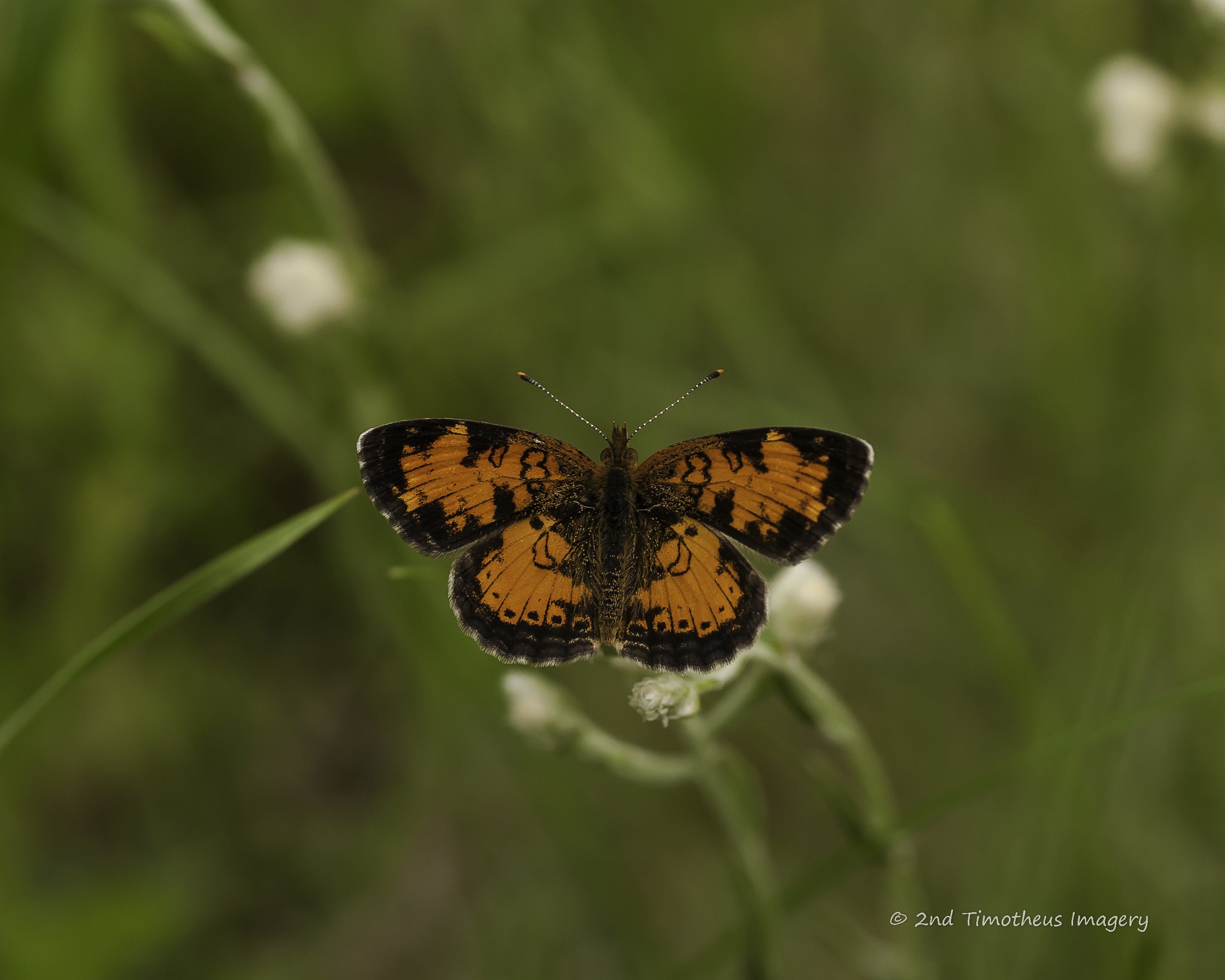

Aperture is the real creative control
Up close, depth of field (the slice of the scene that’s in focus) gets very thin, so the aperture decides how much of the subject is sharp. At f/4 the spider web stands out while the old truck’s steering wheel behind it softens into a shape. At f/8 there’s enough depth to hold the texture of the carved initials and the lichen together.

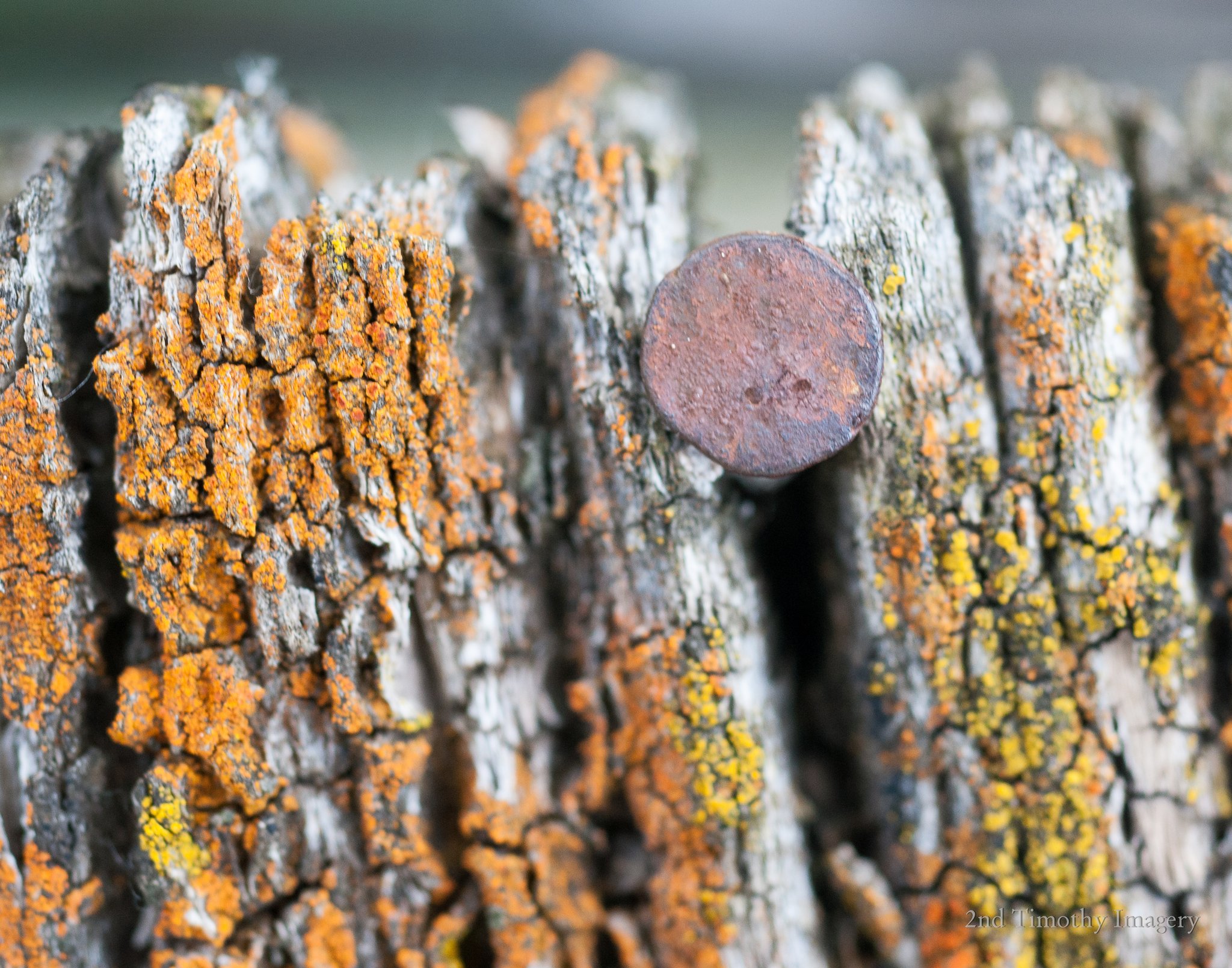

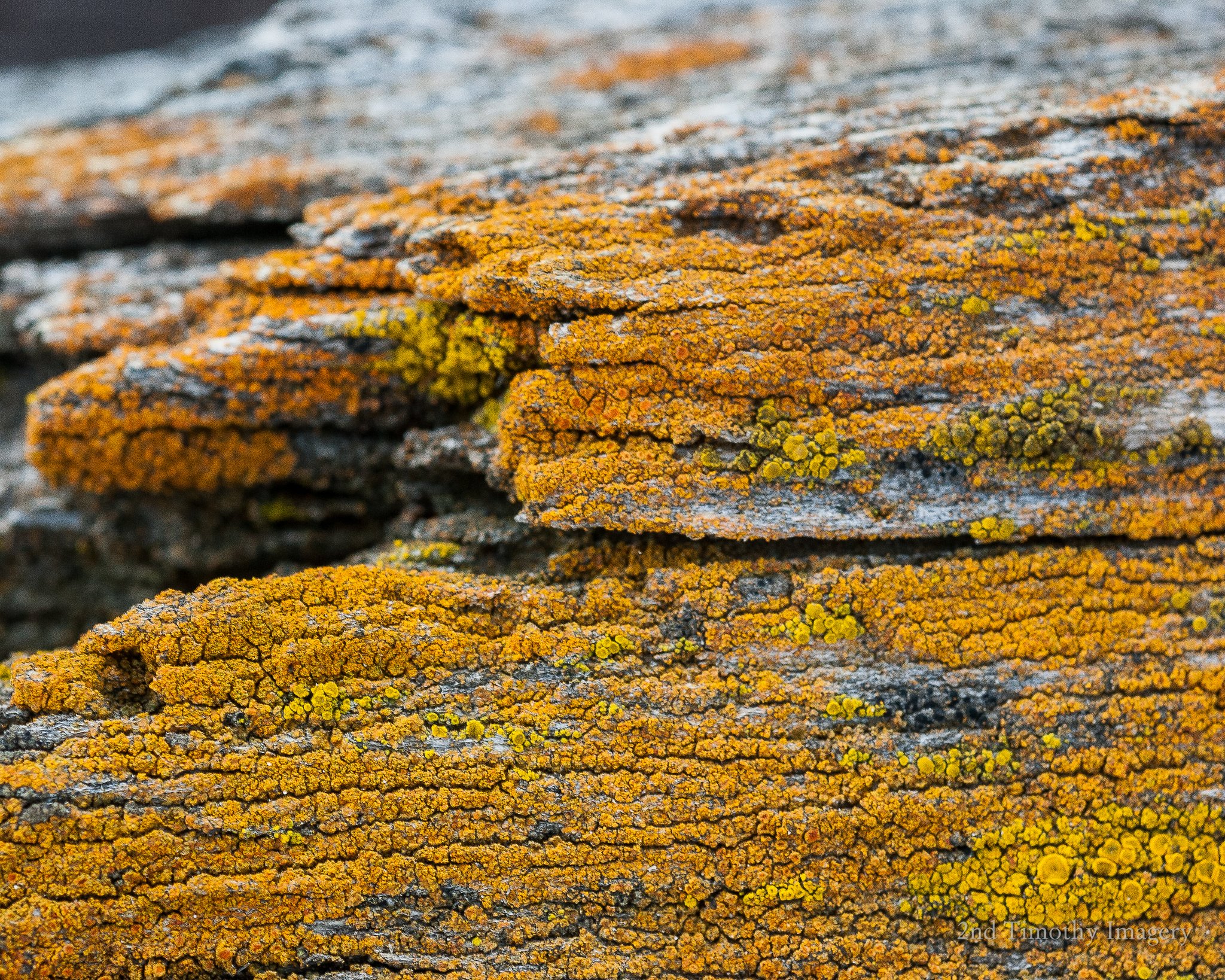
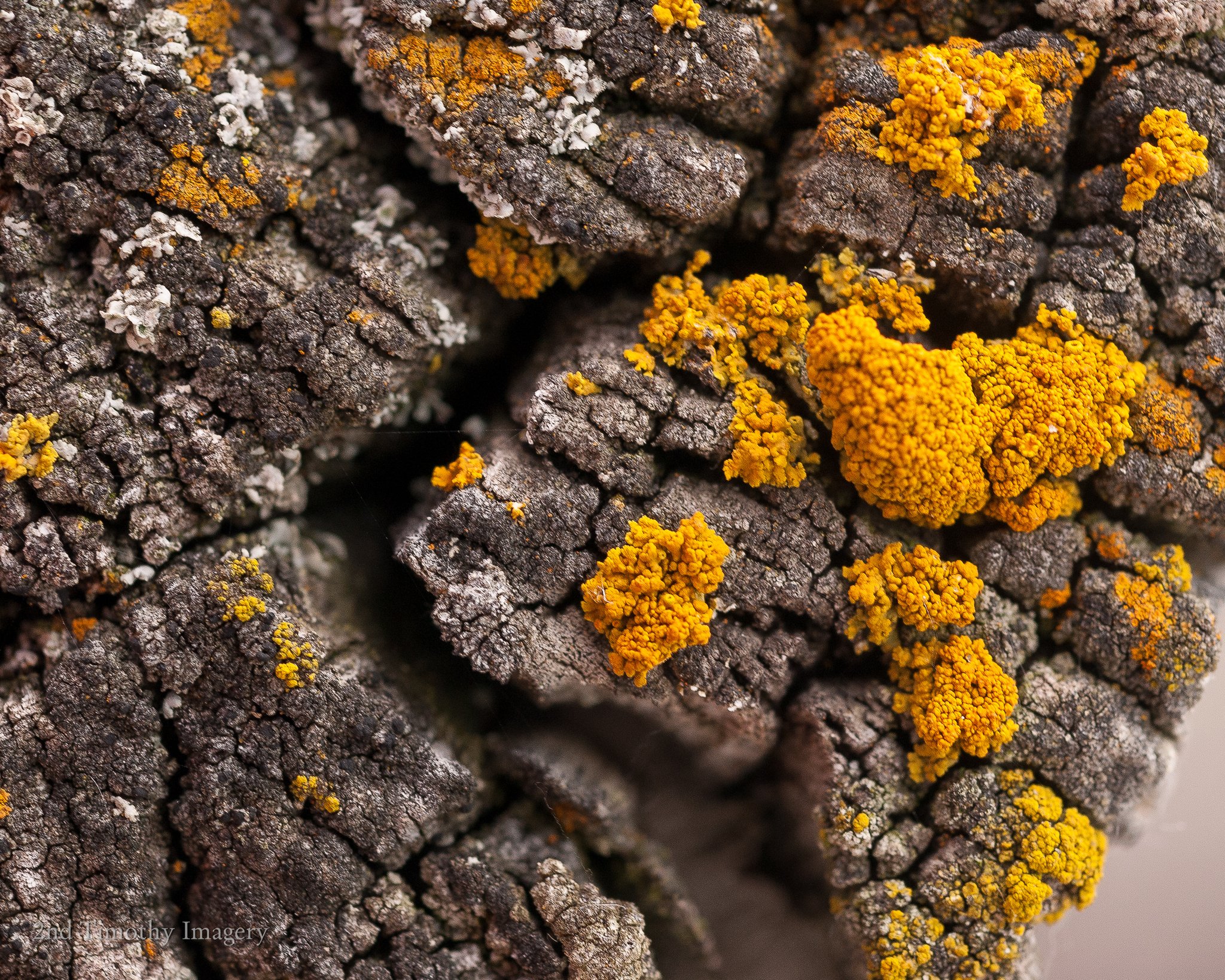
An extension tube on a long lens
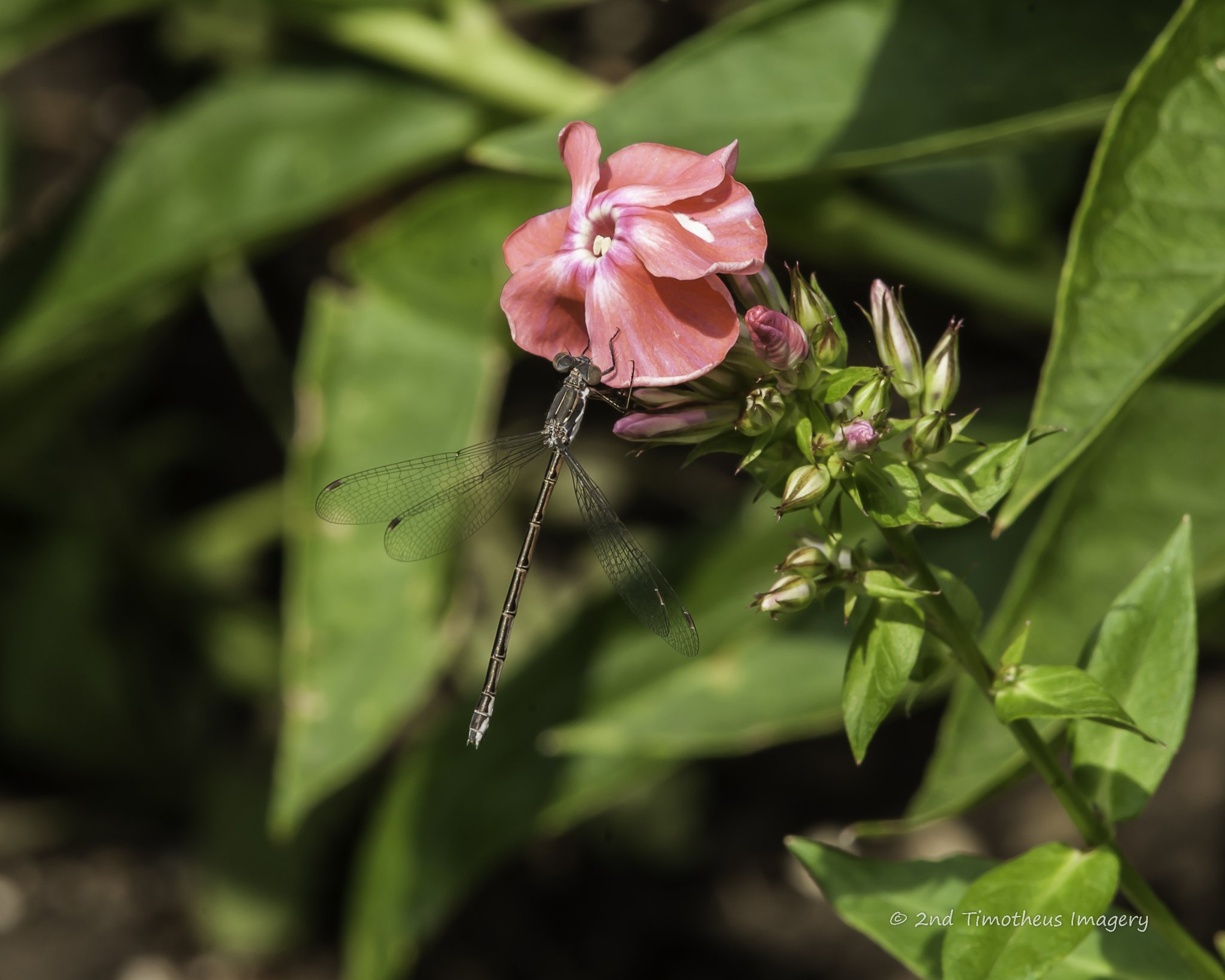
Some subjects won’t let you get close. For the damselfly I used my Nikon D200 with a Nikkor 300mm f/4.5 ED-IF AI-S and a Nikon PK-12 (14mm) extension tube.
An extension tube is a hollow spacer that fits between the camera and the lens. It has no glass in it, so it doesn’t affect image quality. It simply moves the lens farther from the sensor, which lets the lens focus closer than it normally could. On a 300mm lens, even a short 14mm tube lets me fill the frame with a damselfly while staying far enough back not to scare it off. The trade-offs are a little less light and no focus at infinity while the tube is on.
Close-up with a telephoto zoom
Close-up work doesn’t always need special gear. For these frost crystals I used a Nikon D850 with the Nikon 200–500mm f/5.6 zoom at 220mm. The long lens let me frame a small patch of frost from a comfortable distance, and the crystals that fell out of focus turned into sparkle.

What I’ve learned
Growing up on the prairies I learned to hate bugs at a very young age. Grasshoppers, spiders, ants, beetles and crickets were all something to step on and be on your way. It has been over 12 years since this little hopper has his portrait taken, and I still believe that it was he that sought me out and was curious as to what I was doing. The homestead was all but abandoned and I was the first human the little guy encountered. That is truly a distinct memory of mine, and an impression that won’t ever be lost.
Sources and further reading
- Nikon Corporation. Frequently Asked Questions (origin of the Nikon name).
- Sato, Haruo. NIKKOR – The Thousand and One Nights, No. 25: Ai Micro Nikkor 55mm f/2.8. Nikon Imaging.
- Sato, Haruo. NIKKOR – The Thousand and One Nights, No. 95: Micro-NIKKOR C 5cm f/3.5. Nikon Imaging.
- Nikon Corporation. Frontiers of Vision No. 9: In Pursuit of the “Ultrafine” – The Ultra Micro-NIKKOR.
- Nippon Kogaku Klub. Nikon History (based on Robert Rotoloni, Nikon Rangefinder Camera, 1981).
- Wikipedia. Micro-Nikkor.
- Nikon Canada. PK-12 Auto Extension Tube AI (14mm).
Photographs, gear and first-hand experience by Timotheus. Research and writing compiled with the assistance of Claude Opus 5.5, an AI model by Anthropic, in September 2026, working from the sources listed above.